Enjoy 10% OFF your first order! Use code SUNNY10 at checkout and taste the sunshine in every jar.
Blog
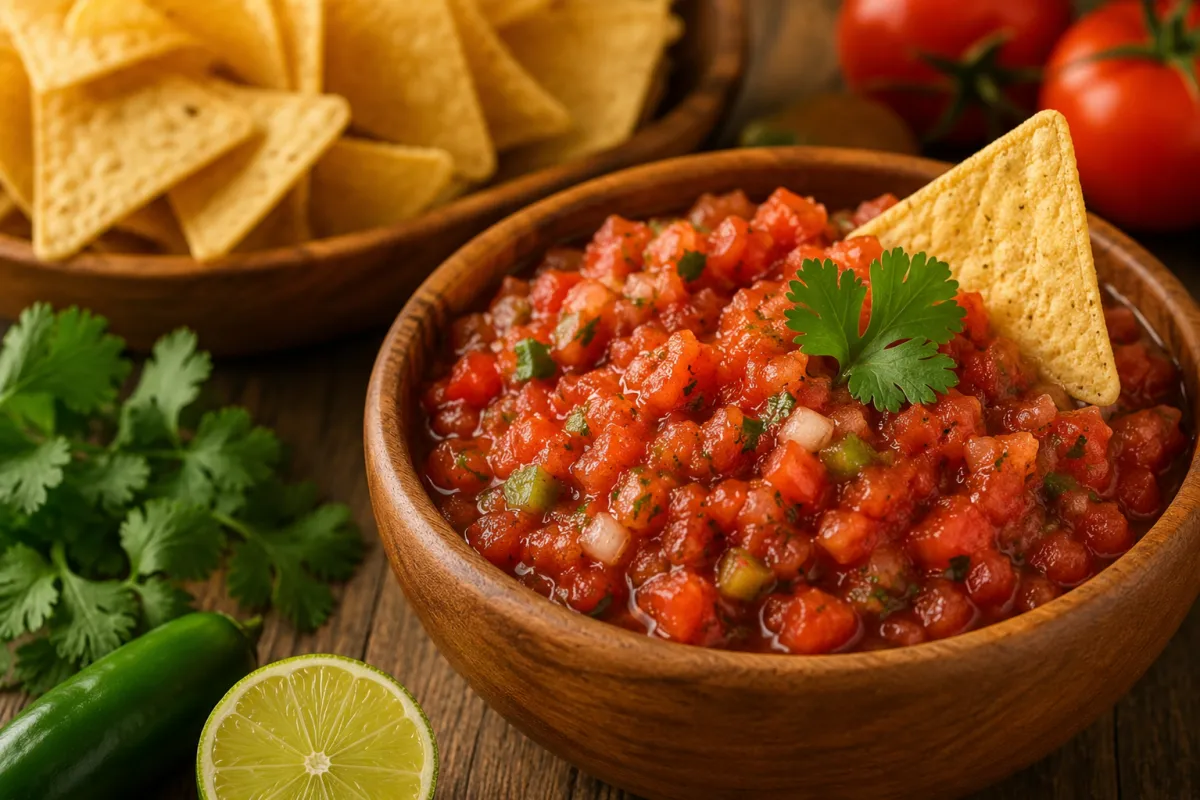
5 SECRETS TO PERFECT CHUNKY SALSA
Why Thick & Chunky Salsa Reigns Supreme
When done right, chunky salsa isn’t just a condiment—it’s the star of the table. Unlike its smooth, homogenized counterparts, thick and chunky salsa delivers a bold texture that holds up to hearty tortilla chips, grilled proteins, and layered tacos. The appeal?Authenticity. A well-crafted chunky salsa mirrors the vibrancy of fresh garden ingredients, offering a satisfying bite that balances juiciness with body—no runny aftertaste or ingredient separation.
What sets exceptional chunky salsa apart is its intentional coarseness. Diced tomatoes, crisp peppers, and hand-chopped onions provide visual appeal and textural contrast, while balanced acidity and seasoning ensure every spoonful enhances, not overwhelms. For home cooks and food enthusiasts alike, mastering this style means moving beyond store-bought, one-note salsas toward a customizable, restaurant-quality staple.
In this post, you’ll discover expert-backed techniques to perfect your salsa’s consistency, layer flavors like a pro, choose ideal tomato varieties for body, leverage natural pectin, and manage moisture without sacrificing freshness—all tailored to elevate everyday meals with bold, reliable results no matter your kitchen skill level.
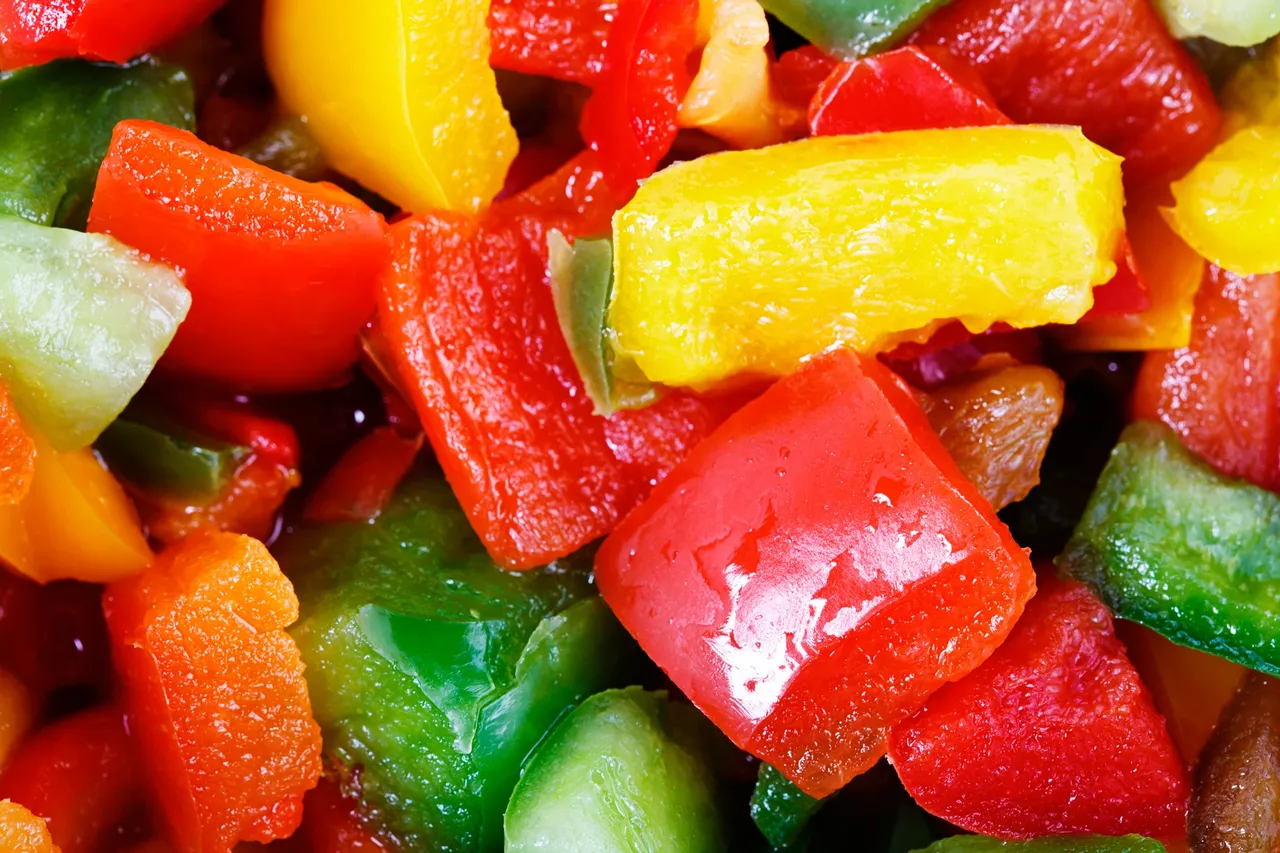
5 Key Tips for Crafting Irresistible Homemade Chunky Salsa
Creating restaurant-quality chunky salsa at home isn’t just about tossing ingredients together—it’s a balance of freshness, texture, and flavor layering. Whether you're serving at a backyard barbecue in Austin or prepping for a casual dinner in Phoenix, mastering these five essentials will elevate your salsa game across any American kitchen.
Start with Peak-Fresh Produce
Use vine-ripened tomatoes that are firm yet yielding to the touch. Avoid refrigerating them—cold dulls flavor and alters texture. For the best results, source tomatoes and peppers at their seasonal peak, especially during summer farmer’s market runs across California or the Midwest.Roast for Depth, Not Just Flavor
Char fresh tomatoes, jalapeños, and onions over an open flame or under a broiler. This Maillard reaction builds complex, smoky notes that raw ingredients can’t deliver. Roasting also breaks down cell walls, enhancing the salsa’s aroma without sacrificing chunk.Maintain Textural Contrast
Dice ingredients by hand instead of using a food processor to control size. Aim for varied cuts—some larger tomato chunks, smaller onion bits—so every scoop delivers a dynamic bite, not a uniform mush.Balance Acidity and Sweetness Naturally
Lime juice adds brightness, but a touch of raw agave or honey can counterbalance heat and acidity without artificial aftertaste. Taste as you go—ideal ratios shift slightly with regional ingredient sweetness.Let It Rest Overnight
Allowing salsa to rest for 8–12 hours lets flavors marry. The salt draws out natural juices, creating a rich, cohesive blend perfect for dipping, topping, or garnishing Southwestern favorites.
Why Fresh Ingredients Transform Your Salsa Game
When it comes to crafting standout chunky salsa, the foundation lies in ingredient quality—specifically, how fresh each component is when it hits the bowl. Fresh produce doesn’t justlookbetter; it delivers deeper flavor, better texture, and a brighter aroma that store-bought or processed alternatives simply can’t replicate. Think of tomatoes still warm from the sun: they’re juicy but firm, rich in natural acid and sugar balance, and packed with volatile compounds that evaporate quickly after picking. Once chopped, these compounds begin to degrade—so time is flavor.
Peppers, onions, and cilantro also degrade in potency and fragrance the longer they’re stored. Fresh jalapeños offer crisp heat with grassy notes, while wilted ones can taste flat or bitter. Similarly, freshly diced white onion brings a sharp, clean bite, whereas older onions can become sweet or sulfurous.
For best results, source ingredients at peak season—especially tomatoes from local growers during summer months in regions like California, Texas, or Florida, where soil and climate boost natural sweetness. Use ingredients within 1–2 days of purchase, and avoid pre-cut or pre-packaged produce. The result? A vibrant, aromatic salsa with layers of flavor that store-bought versions can’t match—and one that keeps guests coming back for more.
Salsa Storage & Safety: Your Top Questions Answered
Making fresh, flavorful chunky salsa at home brings big taste rewards—but it also comes with questions about shelf life, safety, and proper handling. Get clarity on the most common concerns so you can enjoy your homemade creations with confidence.
How long does homemade salsa last in the fridge?
Fresh, uncooked salsa typically stays safe and crisp for 5 to 7 days when stored in an airtight container. The acidity from tomatoes and lime juice helps preserve it, but because it lacks commercial preservatives, freshness fades quickly. Always use clean utensils to prevent contamination.
Can I freeze my homemade salsa?
Yes—freezing is a great way to preserve flavor for up to 3 months. Keep in mind that texture changes occur: tomatoes release water when thawed, making the salsa more watery. For best results, blend after thawing or use frozen salsa in cooked dishes like soups or enchiladas.
Do I need to process my salsa in a water bath for shelf stability?
If you want to store salsa at room temperature for months, yes. Proper canning with a water bath ensures a vacuum seal and prevents spoilage. This is essential for low-acid additions like onions or peppers.
Why is my salsa getting moldy so fast?
Cross-contamination is often the culprit. Always use sterilized jars and clean spoons when serving. Store salsa at a consistent refrigerator temperature below 40°F.
Can I add vinegar to extend shelf life?
Absolutely. Increasing acidity with distilled white or apple cider vinegar helps inhibit bacterial growth and enhances tangy flavor—ideal for preserving freshness in Kansas City homes where summer humidity can impact food safety.
Is separation normal in stored salsa?
Yes. Natural settling happens. Simply stir before serving to recombine liquids and solids.
What’s the best container for storing salsa?
Glass jars or BPA-free plastic with tight-sealing lids work best. Avoid oversized containers, which increase air exposure and speed spoilage.
Bring It All Together: Your Salsa Journey Starts Now
Mastering the art of chunky salsa isn’t just about tossing ingredients in a bowl—it’s about balancingtexture,flavor layers, andfreshness. From selecting peak-ripened tomatoes to controlling heat with precision-cut chiles, each step shapes your final creation. Don’t overlook the power of acid: a splash of lime or vinegar brightens the profile and preserves that vibrant, garden-fresh character. And remember, texture is king—dicing ingredients uniformly ensures every spoonful delivers that satisfying, hearty bite lovers crave.
Now it’s time to put these principles into action. Start small: test one variable at a time—swap in fire-roasted peppers, adjust onion levels, or experiment with fruit additions like mango for a Southwest twist. Let your salsa rest for 30 minutes before serving—thisflavor meldingperiod deepens the taste dramatically. Share it with friends, pair it with handmade tortilla chips, or use it to elevate grilled proteins.
Whether you're crafting recipes in Kansas City or hosting backyard gatherings in Austin, your homemade salsa tells a story—one of freshness, boldness, and authenticity. Embrace the process, trust your palate, and make every batch your own. The perfect dip is just one kitchen adventure away—start chopping.

Quick Links
Company


© Copyright 2026. Thompson & Lee Harvest Company, LLC. All Rights Reserved.